
| Altonorte Copper Smelting Plant Wastewater | ||
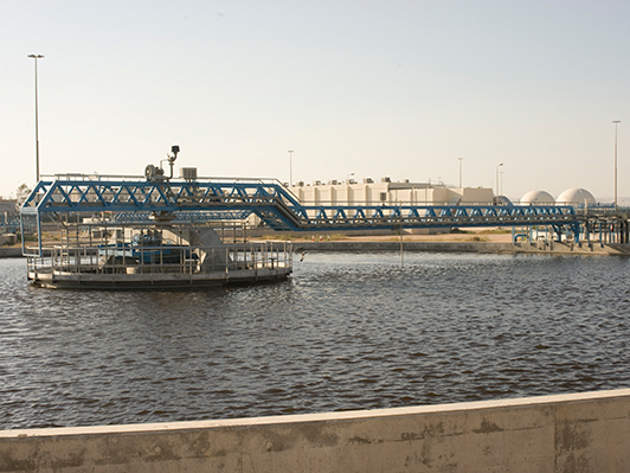
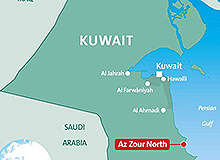
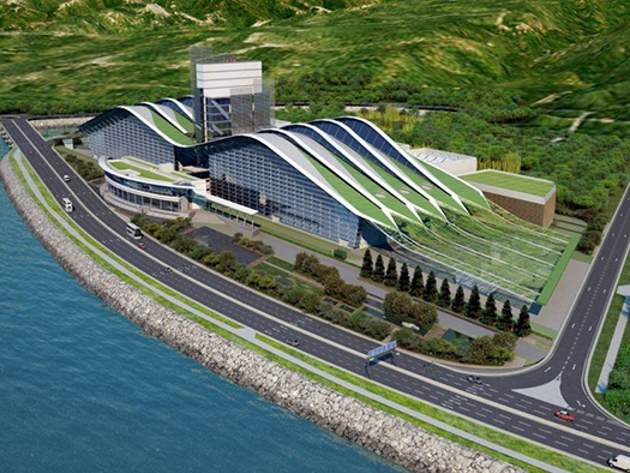
Northern Chile, the driest place on earth. |
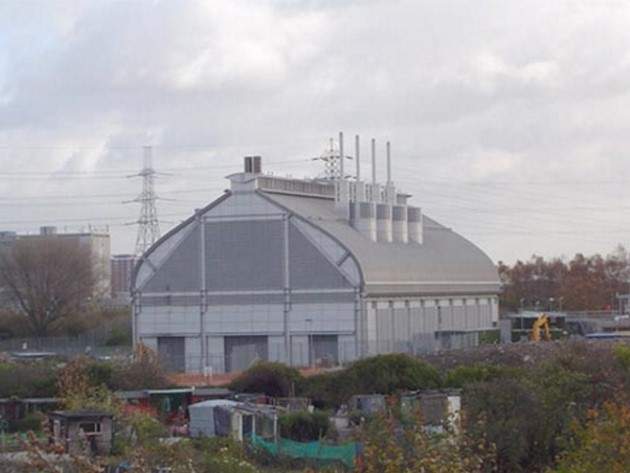
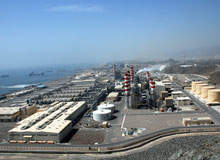
The Noranda smelting plant. |
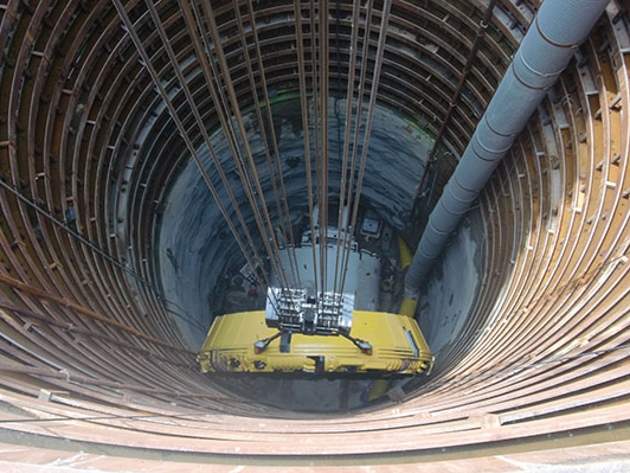
La Negra, with the Noranda Plant in the distance. |
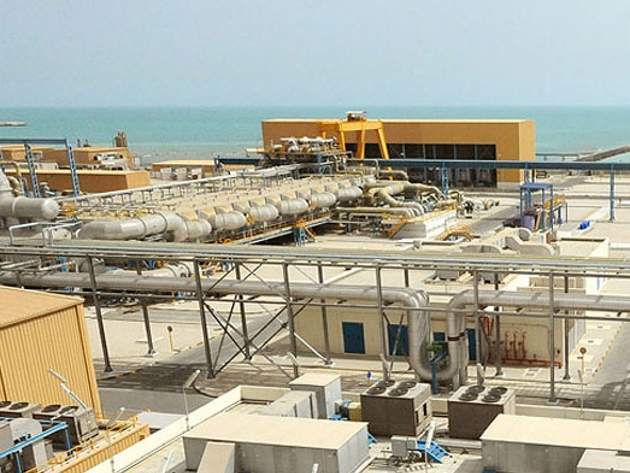
Reverse Osmosis Plant at the Altonorte copper smelting plant. |
||
| Army Bay Sewage Treatment Plant, Rodney District | ||
Rodney District is situated north of Auckland. |
The Rodney District encompasses the Hibiscus Coast, an environmentally sensitive area. |
The waste ponds around the Army Bay plant are being assimilated into the landscape. |
| Atotonilco Wastewater Treatment Project | ||
Conagua will construct a new wastewater treatment plant in Atotonilco, Hidalgo state, Mexico. |
Atotonilco wastewater treatment project is planned to be used for irrigation of about 80,000ha in the Tula Valley of Hidalgo. |
The plant will treat around 60% of wastewater from the metropolitan areas of Mexico City, which has a population of 20 million. |
The CHP plants at the Atotonilco wastewater treatment plant will have a potential to produce 33MW capacity. |
||
| Berlin Automotive Plant Upgrade | ||
Visteon Automotive System is an enterprise of Ford Motor Company. |
Ford Motor Company supply integrated automotive systems. |
|
| Coca-Cola Bottling Plant, Wakefield | ||
The Wakefield bottling plant has the capacity to produce 4,000 330ml cans and 3,200 PET bottles per minute. |
UF filter units; the installed Norit system has increased efficiency, upped supply capacity and reduced wastewater production. |
Bubbles in Coca-Cola; water quality is of pivotal importance for the product make-up water. |
| Dissolved Air Filtration, | ||
The discharge from a food factory. |
||
| Glen Ord Whisky Distillery Biobed Modular | ||
The installation of the new BioBed Modular Plant in October 2001. |
Glen Ord distillery. |
Installation of one of the modules. The pre-engineered design and modular approach is the key to the system's ability to provide cost effective treatment for low COD load effluents. |
The final module is manoeuvred into place beside the malting works. |
The completed installation, awaiting the erection of steel cladding. The plant has been integrated very effectively into the site's pre-existing elements. |
After the cladding. From start to finish, installation took only two weeks. |
Process schematic; Biobed MP is an innovative further development of well established anaerobic technologies for industrial effluent treatment. |
||
| Hinkley Point B Nuclear Power Station Water | ||
The outsourced water treatment plant at Hinkley Point B nuclear power station near Bridgwater in Somerset is the first of its kind to be installed at a British Energy site. |
View of the cooling ponds from above. The treatment plant supplies ultra pure water for the fuel cooling ponds, the main boiler feed systems and a variety of auxiliary circuits. |
Treatment plant schematic; the design includes filtration through particulate and activated carbon media, ion-exchange softening, single pass polyamide membrane reverse osmosis (RO) with ion-exchange polishing and off-site regeneration. |
The plant fitted well into a previously redundant building on the site. |
The boiler tubes; the new plant helps to protect the power station boilers by excluding organic matter and silica, which also extends the useful life of the anion resins used in the condensate polishing process. |
The power station control room; Hinkley Point B normally requires between 40m³/hr and 45m³/hr of ultra pure water for its main processes. A telemetry system and extensive monitoring ensure that water production is optimised. |
View of the plant showing the multi-flow tanks and containers. |
Hinkley Point B at night. Ecolochem provide a guaranteed 24-hour-a-day, 365 days-a-year response, should the need arise. |
|
| In-Cheon International Airport | ||
In-Cheon International Airport Wastewater Treatment Plant. |
||
| Jaspers Abattoir Membrane Bioreactor Water Reuse Project, | ||
The new system uses a simple, low-maintenance MBR approach, based on Kubota flat sheet membrane panels. |
Schematic comparison between activated sludge systems (top) and MBR (bottom); the MBR at the Treburley plant has produced a permeate of consistently high quality. |
The installation at Treburley; effluent is screened, treated and then stored before reuse. |
On-site reuse is for low-grade applications such as washing animal sheds and agricultural vehicles. |
||
| Kwinana Water Reclamation Plant, | ||
The new Kwinana Water Reclamation Plant is the largest of its kind in Australia and uses combined microfiltration and reverse osmosis technology to supply high quality water to local industry. |
Kwinana takes treated effluent from the existing nearby Woodman Point wastewater treatment plant for further processing. The flow of treated industrial wastewater into Cockburn Sound will fall by some 6 million L/d as a result. |
Memcor CMF-S submerged continuous microfiltration cells are integral to the system. The racks hold the membrane bundles in direct contact with the feedwater. |
Membrane elements being installed. The Kwinana plant benefits from the major developments which have been made in microfiltration / RO dual membrane approaches for water reclamation over recent years. |
Diagram of the Memcor CMF-S system. Microfiltration provides a consistent, high quality feed to the RO membranes, which significantly extends their operating life. |
The Kwinana area is Western Australia's main centre of heavy industry and a major user of Perth's water. The new plant arose as a result of a major study to investigate the potential for sustainable water management in the region. |
Plant treatment schematic. |
The new plant is sited at BP's refinery complex; BP is one of a number of large key industrial customers committed to receiving the reclaimed water. |
View of the membrane aqua feed channel. |
| Lee Hall and Harwoods Mill | ||
Harwoods Mill Water Treatment Plant. |
||
| Linden Combined Cycle Plant | ||
The concrete tanks of the Hydro-Clear pulsed bed sand filters. |
Hydro-Clear pulsed bed sand filters at Bergen Power Station. |
Hydro-Clear pulsed bed sand filters capable of treating 6,000 gallons per minute. |
| Lumwana Water Management Systems | ||
During commissioning, pumping tests to fill the process and raw water pond met the design rates of 500m³ per hour per pump station. |
Plan of the Lumwana development, showing the main elements of the water management project. |
Location of Lumwana on the minerals map of Zambia. |
| Metal Forming and Coining | ||
Metal Forming and Coining’s site in Maumee, Ohio. |
The new automated phosphating and related waste treatment plant. |
Process flow diagram of the phosphating and related waste treatment system. |
Beckart’s image of the wastewater treatment plant. |
Process flow diagram. |
|
| STORS Wastewater Treatment Plant, Shenzhen | ||
The STORS system at ThermoEnergy's plant in Colton, California, USA. |
The Sludge-To-Oil Reactor System (STORS) and Ammonia Recovery Process (ARP) pilot plant located in Colton, California. |
|
| Thames Tideway Project, London | ||
Crossness – one of three major WWTPs to be improved. Between them, Beckton, Crossness and Mogden serve seven million people. |
“The Pool from London Bridge: Morning" from a lithograph by William Parrott, 1841. It was not until the middle of the 19th century that the city gained a real sewer system. |
Proposed route of the Tideway Tunnel – a storage-and-transfer tunnel nearly 35km long lying 60m below the city for most of its route. |
The Abbey Mills pumping station; an additional spur tunnel will run from here to Beckton. |
The original Victorian Abbey Mills pumping station, now disused. |
The Clearwater II opposite Crossness – one of the skimmer boats used to remove floating litter from the river after heavy storms. |
Aerial view of the Beckton plant. |
||
| Whipsnade Wild Animal Park, | ||
The new upgrade provides energy efficient treatment, maximises water recovery and new habitats for native wildlife across the 600-acre site. |
The final design reflects extensive planning to ensure compliance with the Park's discharge consent and minimum environmental impact. |
Phase 1 of the project involved the installation of underground tanks along with attenuation ponds, reed beds and extensive pipe-work. |
Careful landscaping work post installation helped to minimise the visual disturbance to the scenic parkland setting. |
Phase 2 centred on the hippo enclosure, which comprises four interlinked ponds. |
Phragmites spp. reeds are particularly effective at creating aerobic conditions within the rhizosphere zone, thus supporting the thriving microbial community required to treat the inflow. |
Reed bed systems are particularly effective at reducing the total nitrogen and organic matter content in wastewater; the figure illustrates the typical performance predicted by a new generation of recently developed first order models. |
||